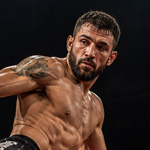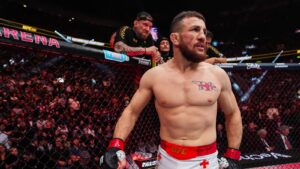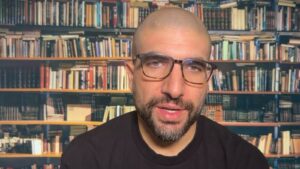

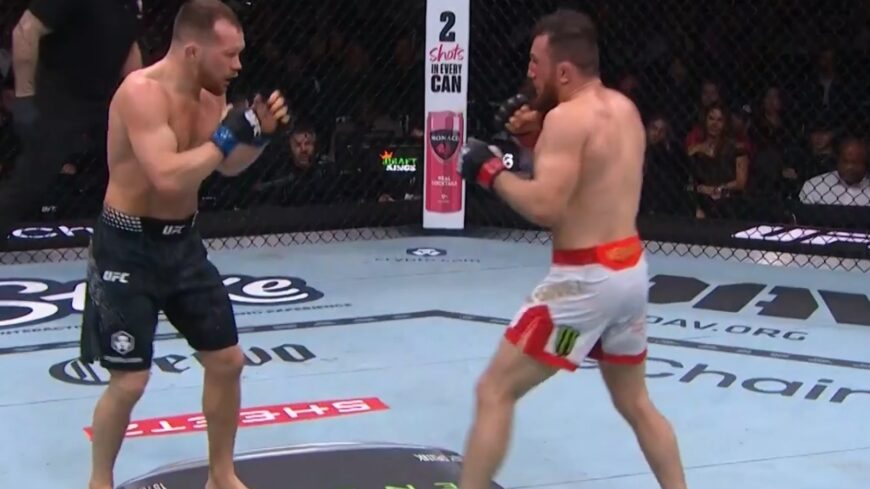
Merab Dvalishvili sees two different routes for the UFC bantamweight championship after his trilogy with Petr Yan. If he wins back the belt, he wants Song Yadong. If Yan retains it, he expects Sean O’Malley to be next instead.
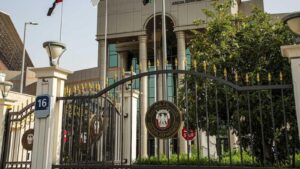
Those were Dvalishvili’s assessments in an interview released October 16, not announcements of signed fights. He is preparing to challenge Yan at UFC 333 on October 24 at Etihad Arena in Abu Dhabi, with their rivalry tied at one victory apiece. The immediate assignment remains settling that series.
The former champion explained that Song offers something different from another familiar opponent. He views the Chinese contender as dangerous, particularly because of his punching power. Asked directly about that potential defense, he answered:
“If I win, Song Yadong is next, because we never fought each other.”
His alternative scenario depended on Yan winning. Dvalishvili pointed to the Russian’s history with O’Malley as the reason he sees that pairing making sense. He also said Song should prepare himself, but did not claim that he had authority to choose the next championship challenger or confirm a date.
Yan comes before the belt’s next destination
When asked to compare a possible second championship win with the first, Dvalishvili put the opponent ahead of the prize. He described beating Yan as his main objective and the title as something that would follow from accomplishing it. The belt still matters to him, but he did not present collecting it as separate from defeating the man holding it.
That focus has survived a lengthy wait. The interviewer contrasted his roughly ten-month absence with the busy schedule he had kept previously. Dvalishvili said his desire to compete had not changed, even though the last defeat had been painful. He wants to return to regular activity against leading opponents rather than treating this comeback as a final appearance.
At the beginning of the conversation, he reported that training had gone well and that he was happy the fight was approaching. He did not give a detailed account of changes to his camp or disclose a new tactical plan.
He was reluctant to sell the benefits of the break purely through assurances about his form. Instead, he wanted his performance and the result to demonstrate the difference from the rematch. His confidence was a prediction about his own readiness, not evidence that the outcome had become certain.
A competitive rivalry, not a friendship
Their previous meetings give both fighters considerable information, but Dvalishvili does not regard familiarity as a simple advantage. He noted that the first two contests produced very different performances on different days and with different mindsets. In his view, knowing an opponent does not eliminate the uncertainty of another meeting.
Asked about the trilogy’s historical importance, he agreed it belongs among the division’s important fights. His explanation rested on how one-sided each earlier meeting had been for its winner. He characterized Yan as the most dangerous challenge in front of him and said testing himself against the best remains part of the appeal.
The interviewer also raised Yan’s interruptions and remarks at a press conference. Dvalishvili described the rivalry as competitive rather than personal. That did not mean he considered them friends: he distinguished his respect for Yan as a fighter and father from his opinion of Yan’s personality.
He said the press-conference behavior had not surprised him. When the discussion turned to his intention to humble Yan, Dvalishvili connected that idea to winning their fight and taking the championship away, rather than revealing an additional dispute outside competition.
Henry Cejudo’s praise drew a different response. Dvalishvili welcomed the respect and described how their relationship had developed through wrestling encounters. He recalled granting Cejudo a rematch while focusing his own training on MMA, then feeling disappointed when Cejudo beat him.
He also contrasted that relationship with Cejudo’s earlier trash talk, recalling that their first wrestling meeting had taken place in Georgia before the later rematch.
That disappointment coexisted with a warmer impression of Cejudo’s family during the same week. Dvalishvili said he was happy for him despite losing. He did not turn the compliment about his bantamweight legacy into a declaration that the debate was settled.
The October 16 conversation follows Dvalishvili’s earlier, separate explanation of the difficulties he encountered in the Yan rematch.