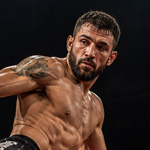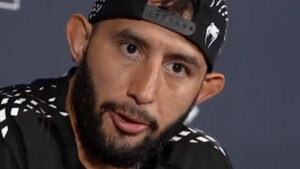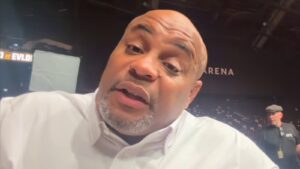

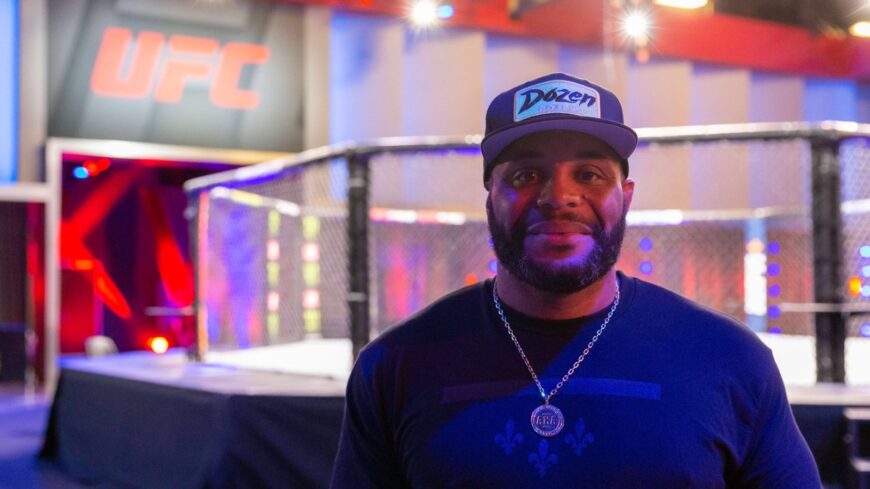
Daniel Cormier believes Nassourdine Imavov’s confrontation with Sean Strickland accomplished something that rankings alone could not: it made a potential title fight more compelling. In an October 8 episode of his show, the former two-division champion argued that the challenger was applying the same pressure-building approach Strickland previously used himself.
Cormier’s assessment followed the exchange at the UFC Performance Institute. His commentary addressed both the promotional consequences of that encounter and the champion’s public frustration with his compensation. He did not announce a signed rematch or claim to know the financial terms being discussed.
Daniel Cormier sees a familiar promotional strategy
For Cormier, Imavov had already established his sporting case for a championship opportunity. Beating a recognizable champion, however, offered something beyond possession of the belt: an opponent whose profile could help elevate the challenger’s own standing with a wider audience.
That was why he disagreed with the suggestion, audible around the confrontation, that approaching Strickland would not help Imavov. Cormier could not identify who made that remark. Rather than assign it to a particular coach, he focused on its premise and argued that personal tension gives viewers an additional reason to care.
He pointed back to Strickland’s own pursuit of Khamzat Chimaev after beating Anthony Hernandez in Houston. In Cormier’s telling, aggressive personal criticism helped make that matchup feel necessary to the public. He viewed Imavov’s approach as following an established promotional example, not inventing a new route to contention.
Cormier also separated how Strickland’s departure from the confrontation might look from what he believed it meant. Casual viewers could interpret walking away as reluctance to fight. His own assessment was different: he did not doubt Strickland’s willingness to face dangerous opposition.
“you will fight anyone”
That was Cormier’s conclusion about a fighter willing to enter the cage with Chimaev. He also saw a strategic benefit in refusing to feed an opponent’s provocation, even while acknowledging that the resulting images could be interpreted less favorably outside the sport’s inner circle.
The Performance Institute creates its own risks
The setting mattered to his analysis. Cormier described the training facility as a valuable resource that also places rivals within reach of one another. Athletes therefore have to weigh its practical benefits against the possibility of encountering someone they expect to fight. He said avoiding competitors had influenced his own choice not to train there.
Drawing on his rivalry with Jon Jones, he recalled how their MGM Grand brawl was repeatedly used during promotion. His point was about the lasting value of recorded animosity: an uncomfortable encounter can become footage audiences see throughout a subsequent buildup. He did not present that as a guarantee that Imavov would receive a contract.
Pay frustration complicates an already dangerous rematch
The other part of the discussion concerned Strickland’s October 7 remarks about leaving middleweight. The champion had raised moving to 205 pounds, completing his UFC obligations and pursuing boxing with Jake Paul. Those were possibilities he floated publicly, rather than a confirmed departure or an agreed boxing match.
Cormier considered two explanations for the outburst: genuine exhaustion with the situation or an effort to negotiate publicly. He acknowledged Strickland’s complaints about the physical toll of training while stressing that both men had improved since their first meeting. A previous victory did not make the proposed rematch safe.
In recounting the champion’s posts, he referred to reported groin and shoulder problems; these were Strickland’s descriptions, not a medical assessment by Cormier. The challenger’s position was different: waiting for an opportunity while the belt holder discussed moving elsewhere created a reason to force the issue into public view.
He stopped short of saying the UFC was deliberately ignoring its champion. Cormier did not know Strickland’s asking price and offered no inside account of negotiations. His closing position combined respect for the fighter’s unlikely championship journey with uncertainty about whether this particular bargaining approach would work.
The chronology also matters. This episode preceded Dana White’s later response citing an agreement signed in May. White disputed the pay account without supplying an alternative total. That subsequent exchange did not turn Cormier’s earlier observations into knowledge of a settlement, and neither source established that the underlying disagreement had been resolved.
A further distinction emerged in Strickland’s October 9 explanation of signing a new deal. He described the title opportunity as leverage used to obtain his agreement. That account concerned the bargaining circumstances before facing Chimaev, whereas Cormier was considering the incentives surrounding a possible defense against Imavov.
Cormier’s complete October 8 discussion is available below.